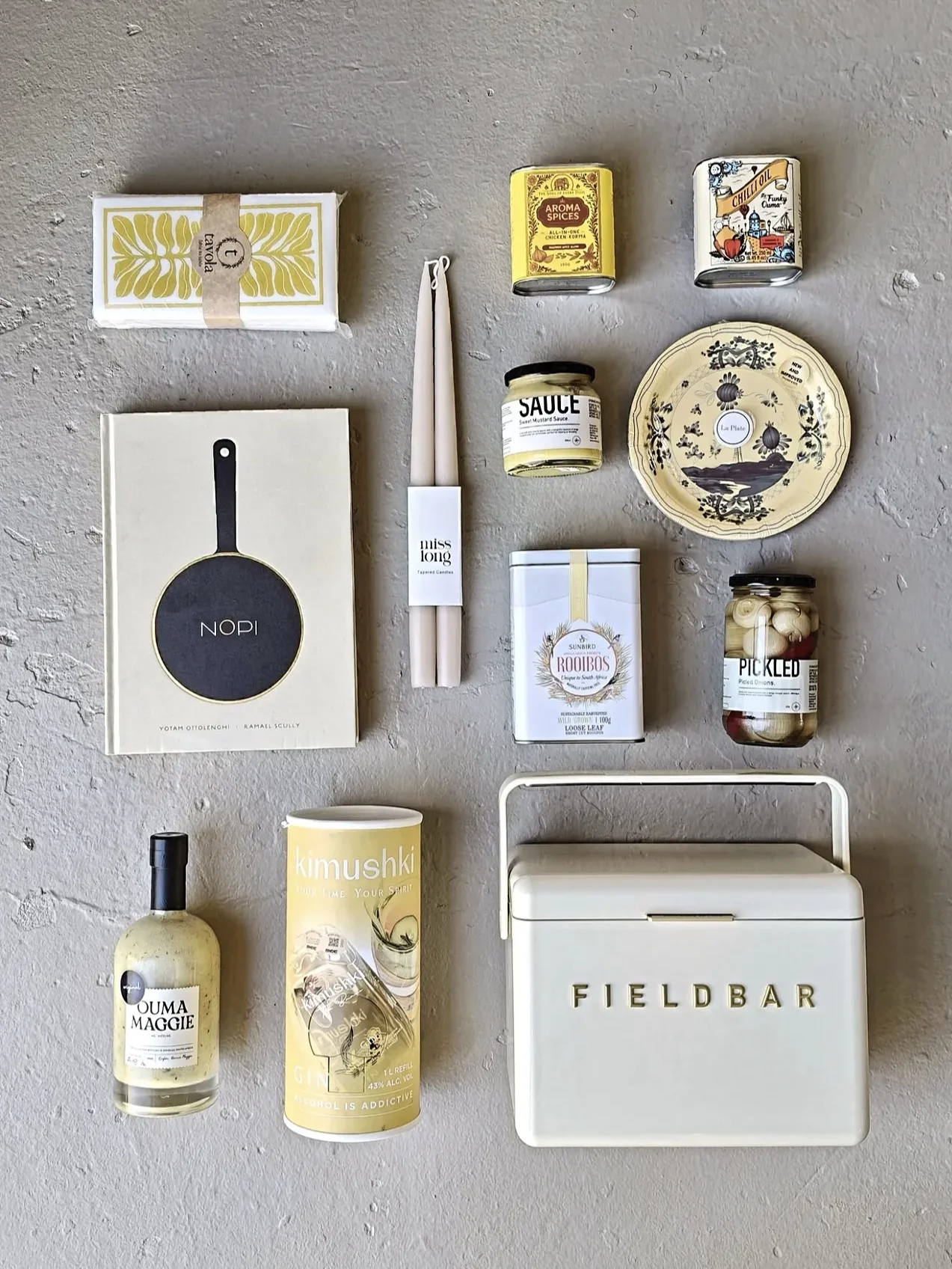
Discover why South Africans living overseas continue to look for South African products, from biltong and rooibos to clothing, spices, gifts and locally made brands.

Discover Southbound on PiMarket, a proudly South African clothing brand creating locally made clothing for the whole family, including pets.

Discover Smithco Leather on PiMarket — handmade full-grain leather bags and accessories crafted by one maker in Cape Town, South Africa.
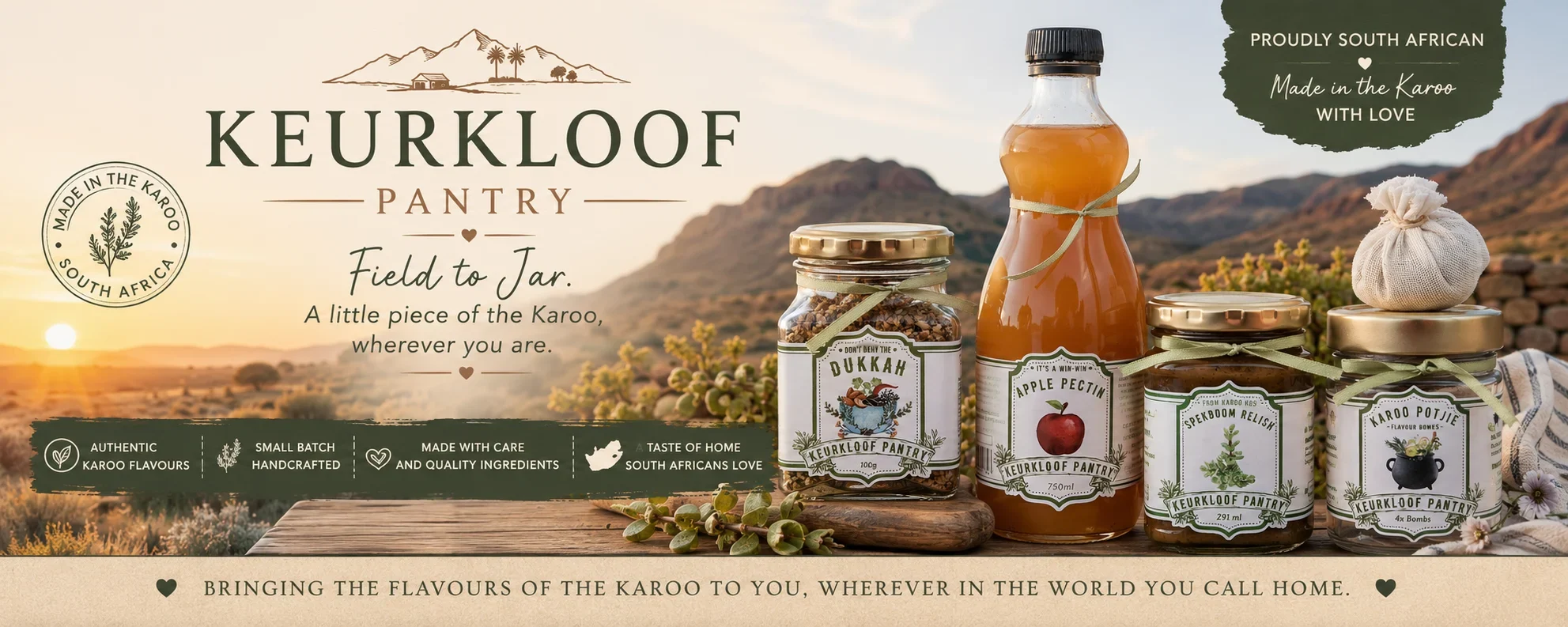
Discover Keurkloof Pantry’s handmade Klein Karoo pantry products, from award-winning Karoo Dust seasoning and potjie flavour bombs to plum jam, relish and Honeybush chai.

Discover how PiMarket.co helps South African businesses sell products locally and internationally, connecting SA brands with customers around the world.
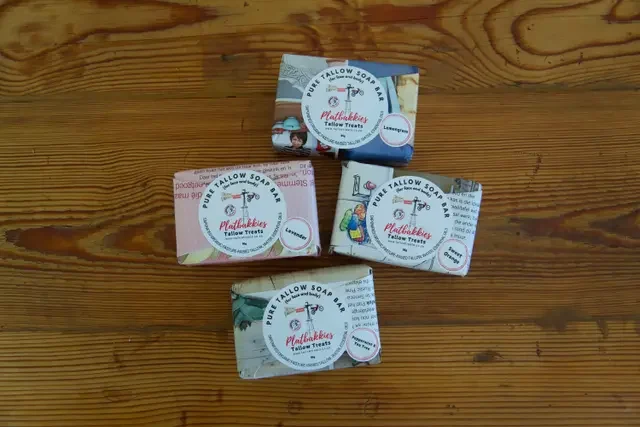
tallow products South Africa, natural tallow skincare, tallow skincare South Africa, tallow cream, tallow balm, tallow soap, natural soap South Africa, tallow face cream, natural deodorant South Africa, shampoo bars South Africa, Boerseep, natural household products, Namaqualand products, South African natural products, traditional South African products
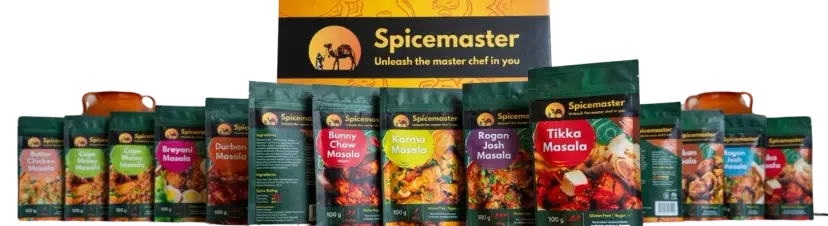
Discover Spicemaster by JS on PiMarket. Shop proudly South African masalas including Durban, Cape Malay, Breyani, Bunny Chow, Tikka Masala and more.

Discover SoulState Clothing, a South African lifestyle brand offering premium unisex hoodies, sweaters, T-shirts and accessories. Shop SoulState on PiMarket.
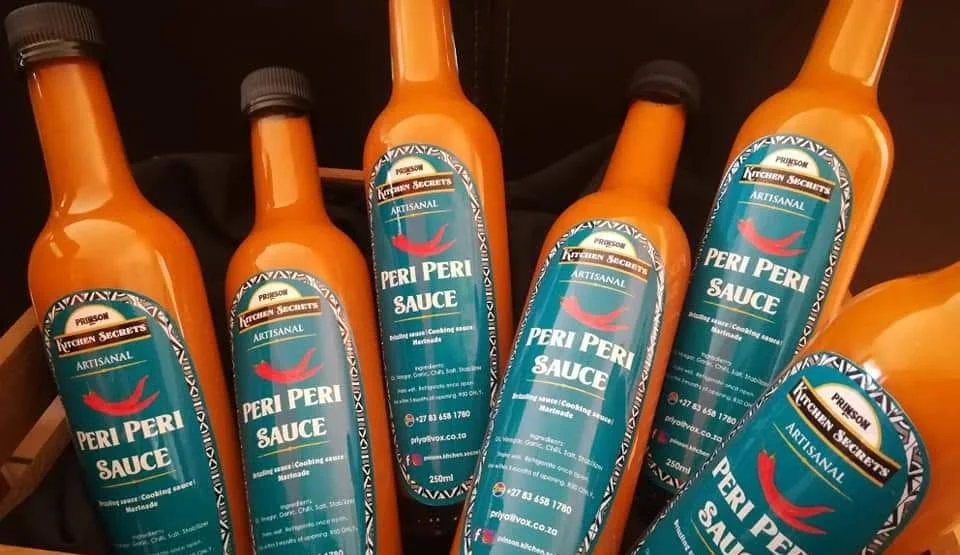
Shop handcrafted Portuguese-Mozambican artisanal sauces made from a treasured 40-year-old family recipe with bold flavour and clean ingredients.
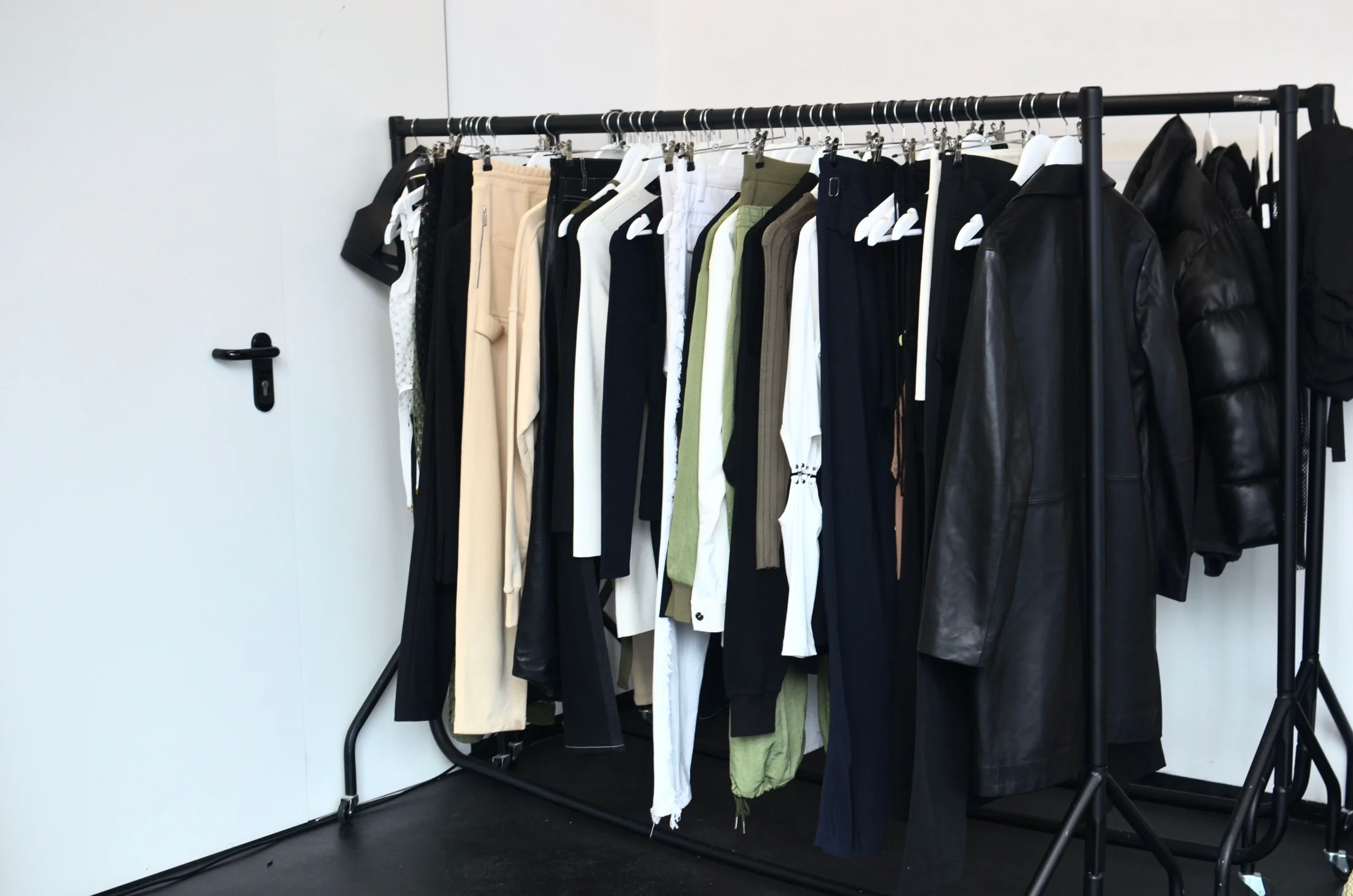
Discover the best products to export from South Africa, including clothing, food, gifts and more. Learn how to grow your business by selling internationally.
Thinking of selling on PI Market? Learn how seller accounts, commission, shipping, international pricing, payments, and product listings work in this complete FAQ guide.
Thinking of exporting? Discover 7 essential tips every South African brand should know before selling internationally with PI Market.

Discover how South African businesses of all sizes can start exporting. Learn how PI Market helps brands reach international customers with simplified logistics.